Unraveling Norovirus: How the NS3 Translocase Powers Viral RNA Transport Across Membranes and Emerges as a Novel Antiviral Target
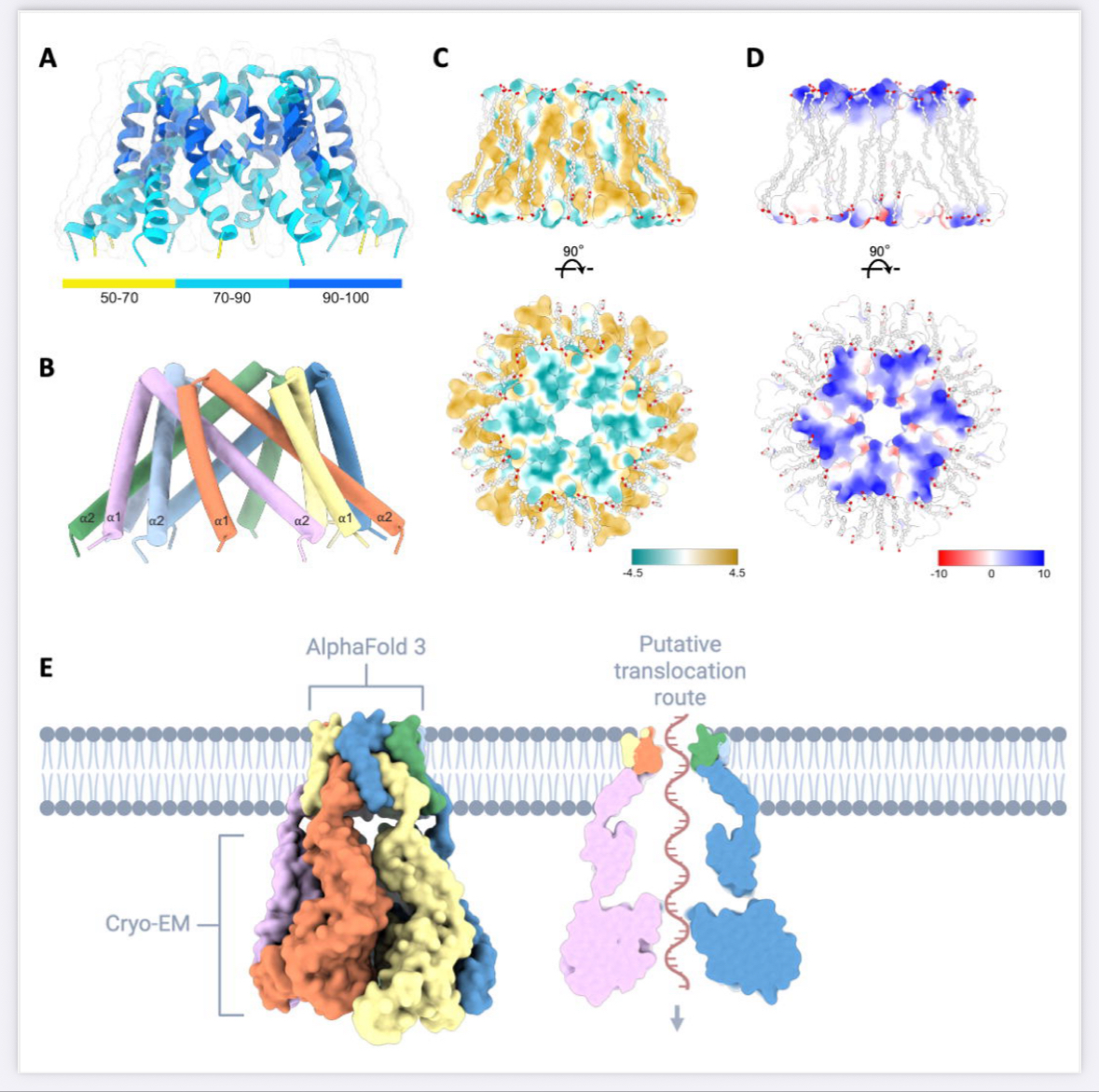
Recent studies reveal that NS3 functions as an RNA translocase, actively transporting RNA across cellular membranes. It achieves the movement by coupling ATP hydrolysis-providing the energy required for RNA transport. Across membrane invasion initiates the norovirus replication cycle including steps like RNA replication and the assembly of new viral particles.
Targeting NS3 could interrupt the viral life cycle, offering a promising direction for antiviral drug development. By disrupting this translocase may be possible to prevent norovirus infection.
Notably, noroviruses appear to use a simplified, efficient strategy for RNA transport. NS3 adopts a compact, spiral-shaped structure—suggesting a streamlined mechanism that may enhance the coupling of RNA replication with genome packaging.