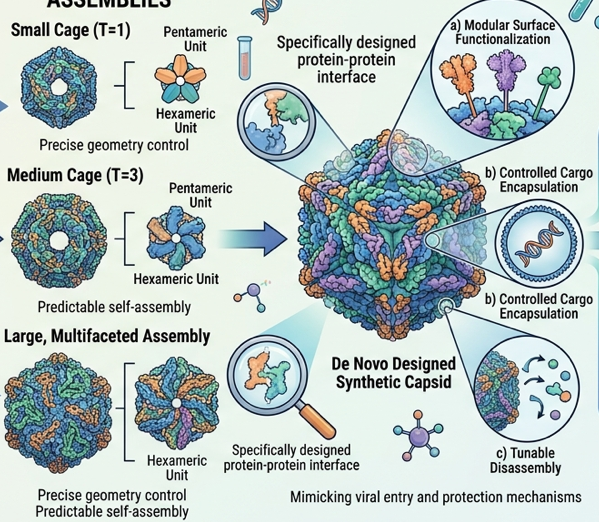
Two new Nature papers from the David Baker and Veesler labs at the University of Washington highlight a remarkable advance in AI-driven protein design and viral capsid engineering. The work is more accurately focused on designing complex protein architectures that mimic and expand our understanding of viral capsid assembly. By enabling the creation of precisely designed protein assemblies, these approaches provide new opportunities to study and engineer complex biological structures. Such innovations have great potential to transform areas including vaccine development, gene delivery, and a wide range of biotechnology applications.
SHARE
Related Post
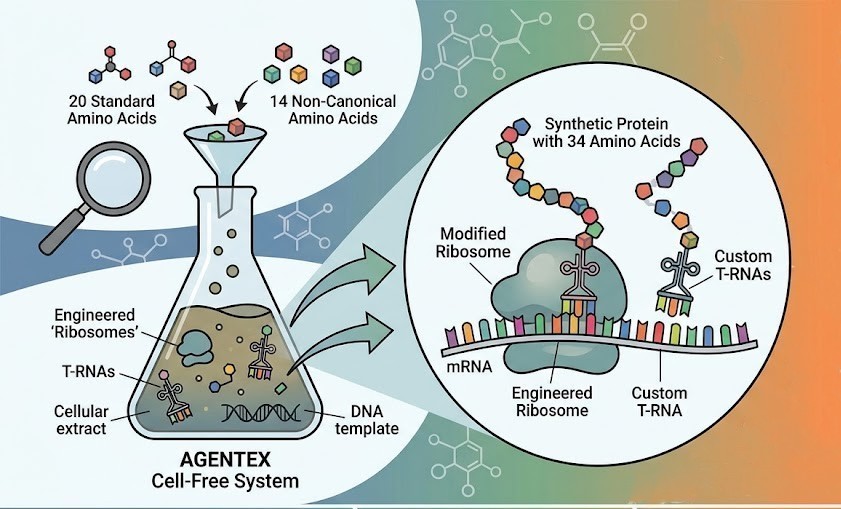
AGENTEX: A New Synthetic Biology Platform Expanding the Possibilities of Protein Engineering
Researchers in Professor George Church’s laboratory at Harvard Medical School, in collaboration...