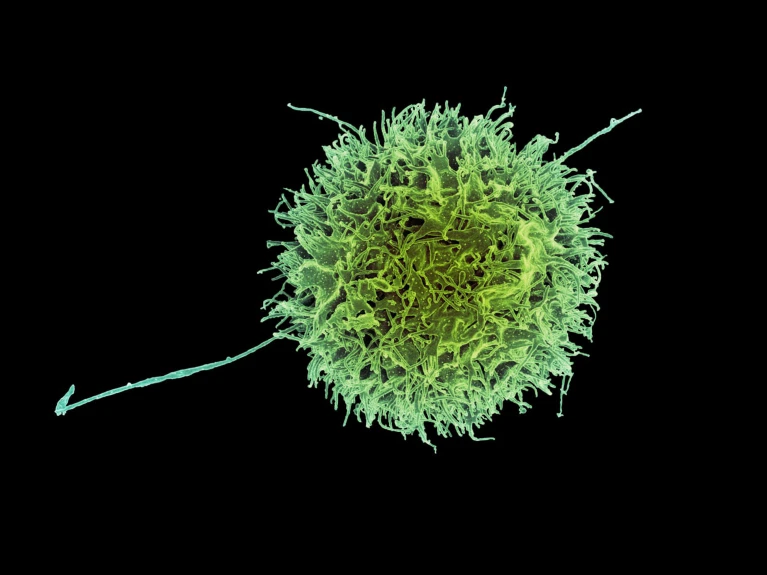
Emerging CAR-NK Cell Therapies Offer New Hope for Autoimmune Disorders
Autoimmune diseases arise when the immune system mistakenly attacks the body’s own tissues/organs. While current treatments often rely on broad immunosuppression, recent advances in cellular therapies are opening the door to more targeted and long-lasting solutions.
One of the most promising approaches is CAR-T cell therapy, which involves engineering a patient’s own T cells to recognize and eliminate disease-causing immune cells. However, each treatment must be custom-made from the patient’s own cells, making the process time-consuming, technically complex, and extremely expensive. These challenges pose major barriers to widespread use in autoimmune diseases, which often require long-term, accessible care.
To address these limitations, researchers are turning to natural killer (NK) cells as a potentially more practical alternative. NK cells are part of the innate immune system and can be engineered or activated to selectively target harmful immune cells—without the need for patient-specific customization. Their natural ability to detect and destroy abnormal cells, while sparing healthy ones, makes them an attractive candidate for rebalancing a dysregulated immune system.
If proven effective and scalable, NK cell therapies could offer a safer, more affordable, and more widely accessible treatment option for autoimmune disorders—potentially delivering long-term remission to patients who currently have few effective options.
More Reading: Turbocharged ‘killer’ cells show promise for autoimmune disease https://www.nature.com/articles/d41586-025-02096-7
SHARE
Related Post
Fascinating advances in time-resolved structural biology
Researchers from the University of Oxford, SLAC National Accelerator Laboratory, and Lawrence...