Extracellular Matrix Proteomics and Cell Microenvironment
The extracellular matrix (ECM) is a complex network of proteins and polysaccharides that provides structural and biochemical support to cells. It plays a critical role in tissue architecture, cell adhesion, migration, and signaling. ECM proteomics is the study of these proteins using advanced mass spectrometry and bioinformatics approaches, allowing researchers to identify and quantify ECM components, post-translational modifications, and their dynamic changes in disease.
The cell microenvironment encompasses the ECM, neighboring cells, soluble factors, and mechanical cues that collectively influence cell behavior. Understanding the ECM and its proteomic composition is essential for decoding how cells interact with their surroundings, regulate signaling pathways, and respond to pathological conditions such as cancer, fibrosis, and tissue remodeling.
SHARE
Related Post
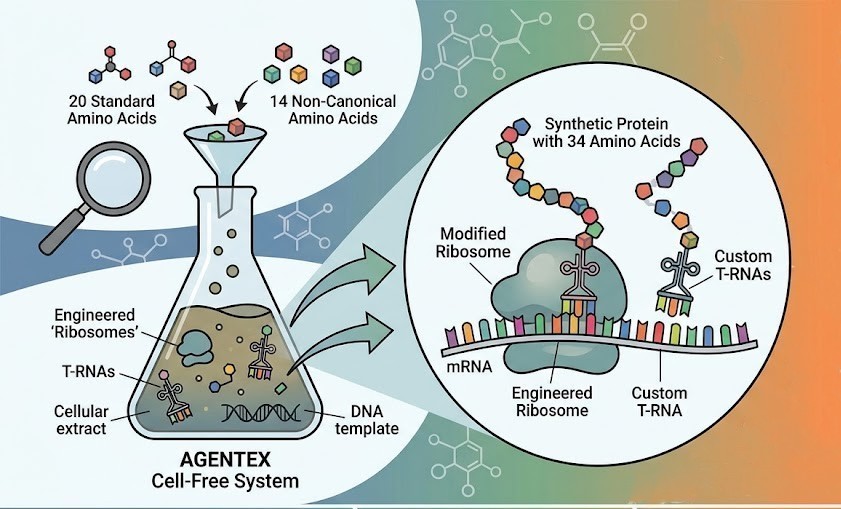
AGENTEX: A New Synthetic Biology Platform Expanding the Possibilities of Protein Engineering
Researchers in Professor George Church’s laboratory at Harvard Medical School, in collaboration...