
Researchers from the University of Oxford, SLAC National Accelerator Laboratory, and Lawrence Berkeley National Laboratory have used ultrafast X-ray free-electron laser pulses to capture molecular snapshots of two important enzymes: AspH, a potential therapeutic target in cancer, and isopenicillin N synthase (IPNS), a key enzyme in penicillin biosynthesis. Moving beyond static protein structures, the researchers […]

This year’s Nobel Prize in Physiology or Medicine recognizes Karl Deisseroth, Peter Hegemann, and Georg Nagel for their discoveries that laid the foundation for optogenetics. Their work demonstrates how a single light-gated ion channel, channelrhodopsin, originally discovered in single-celled algae, can be transformed into a powerful tool for controlling nerve-cell activity with light. By combining […]
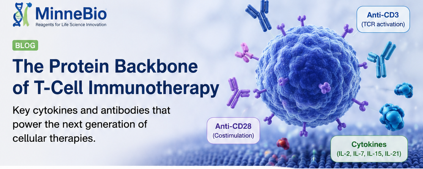
T-cell immunotherapy has transformed the treatment landscape for hematological malignancies and is rapidly expanding into solid tumors, autoimmune diseases, and infectious diseases. Technologies such as CAR-T cells, TCR-T cells, and tumor-infiltrating lymphocytes (TILs) have demonstrated that a patient’s own immune cells can be engineered into powerful therapeutics. Behind every successful T-cell therapy, however, lies a […]
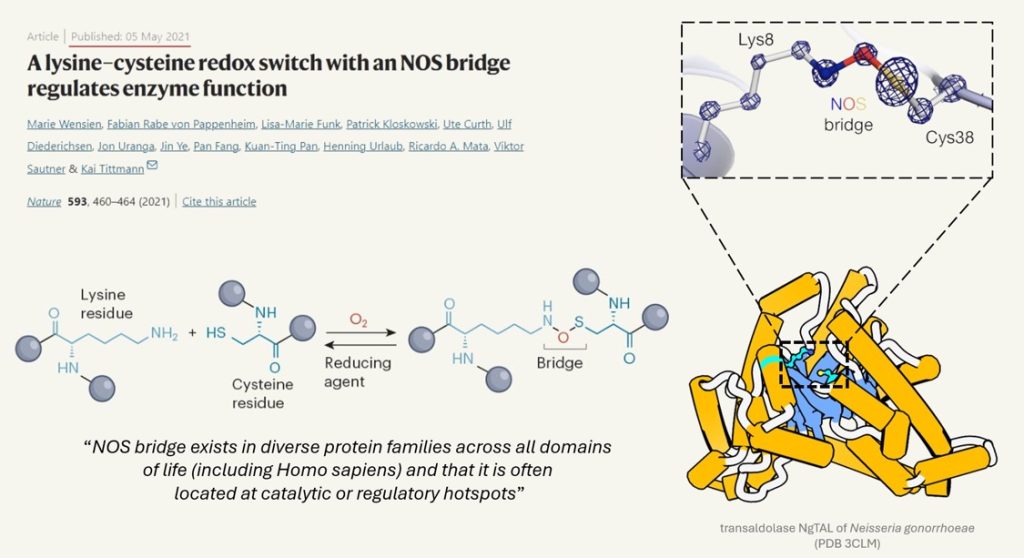
The NOS (Nitrogen-Oxygen-Sulfur) is a unique covalent bond between lysine and cysteine within a polypeptide chain. However, its formation requires oxidative conditions and is relatively rare. In contrast, disulfide bonds between two cysteine residues are more common. The NOS bond functions as a reversible molecular switch, altering protein structure to regulate enzyme activity and ligand […]
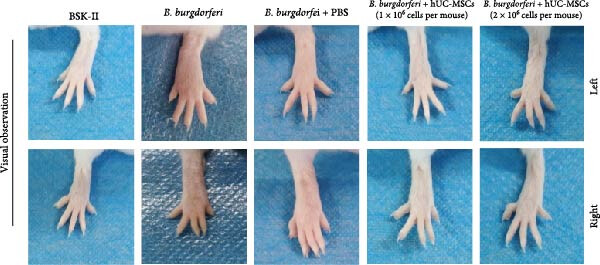
Stem cell therapy is emerging as a powerful approach for treating chronic and hard-to-manage conditions. A new preclinical study highlights its potential in Lyme arthritis (LA)—a painful, inflammatory complication of Lyme disease (LD) that can persist even after antibiotic treatment. Researchers tested human umbilical cord mesenchymal stem cells (hUC-MSCs) in a mouse model of LA, […]
