Stephen White’s passing is a great loss to the scientific community. His contributions to protein science are truly tremendous. Among his many influential works, the paper “Experimentally Determined Hydrophobicity Scale for Proteins at Membrane Interfaces” is especially notable and remains an important contribution to our understanding of protein behavior. Protein surface properties, including the balance […]
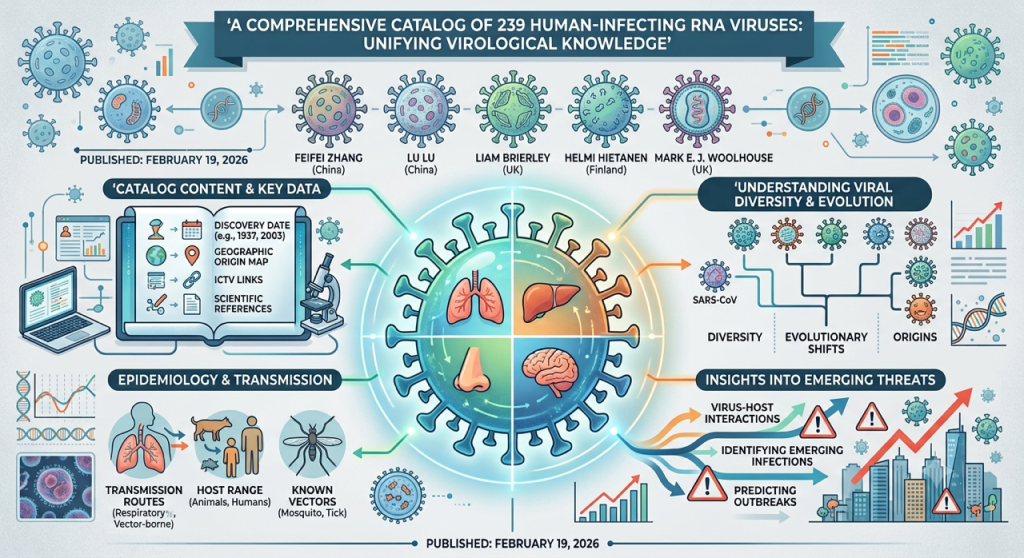
Researchers have developed a comprehensive catalog of 239 RNA viruses known to infect human cells, providing an integrated resource for understanding viral diversity, evolution, and epidemiology. The dataset includes key information such as virus discovery dates, geographic origins, links to the International Committee on Taxonomy of Viruses (ICTV) database, and scientific references covering virus discovery, […]
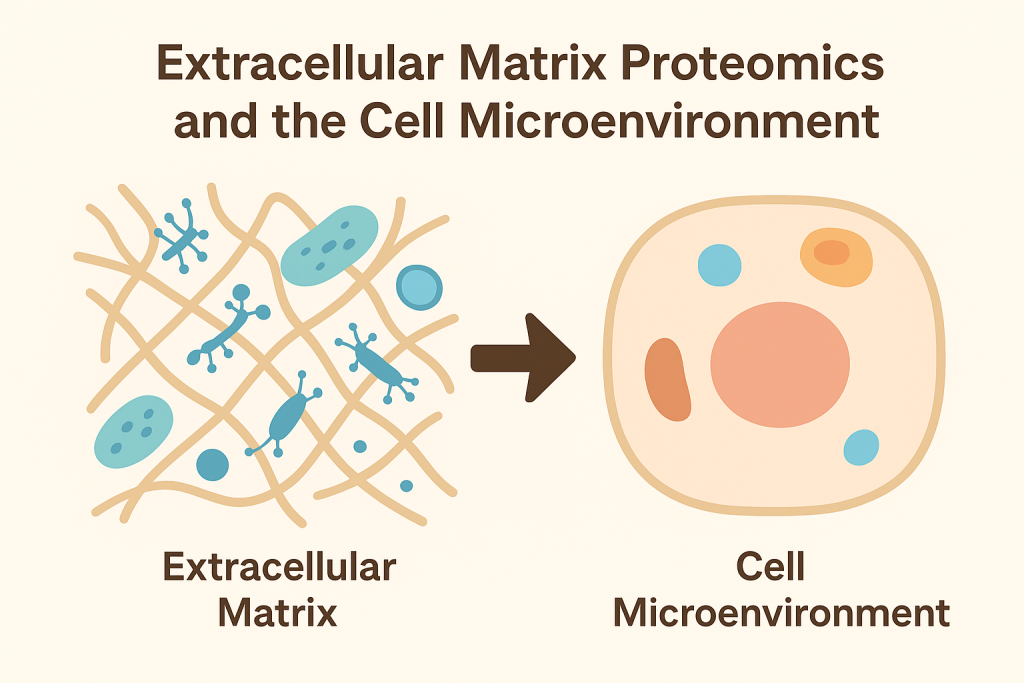
The extracellular matrix (ECM) is a complex network of proteins and polysaccharides that provides structural and biochemical support to cells. It plays a critical role in tissue architecture, cell adhesion, migration, and signaling. ECM proteomics is the study of these proteins using advanced mass spectrometry and bioinformatics approaches, allowing researchers to identify and quantify ECM […]

The battle against COVID-19 is far from over. In fact, increasing evidence continues to confirm the reality and seriousness of Long COVID. By drawing parallels between certain aspects of COVID-induced immune dysfunction and HIV, the term “Airborne AIDS” reflects genuine scientific concern rather than exaggeration. The current challenge lies in balancing transparency with health equity—communicating […]
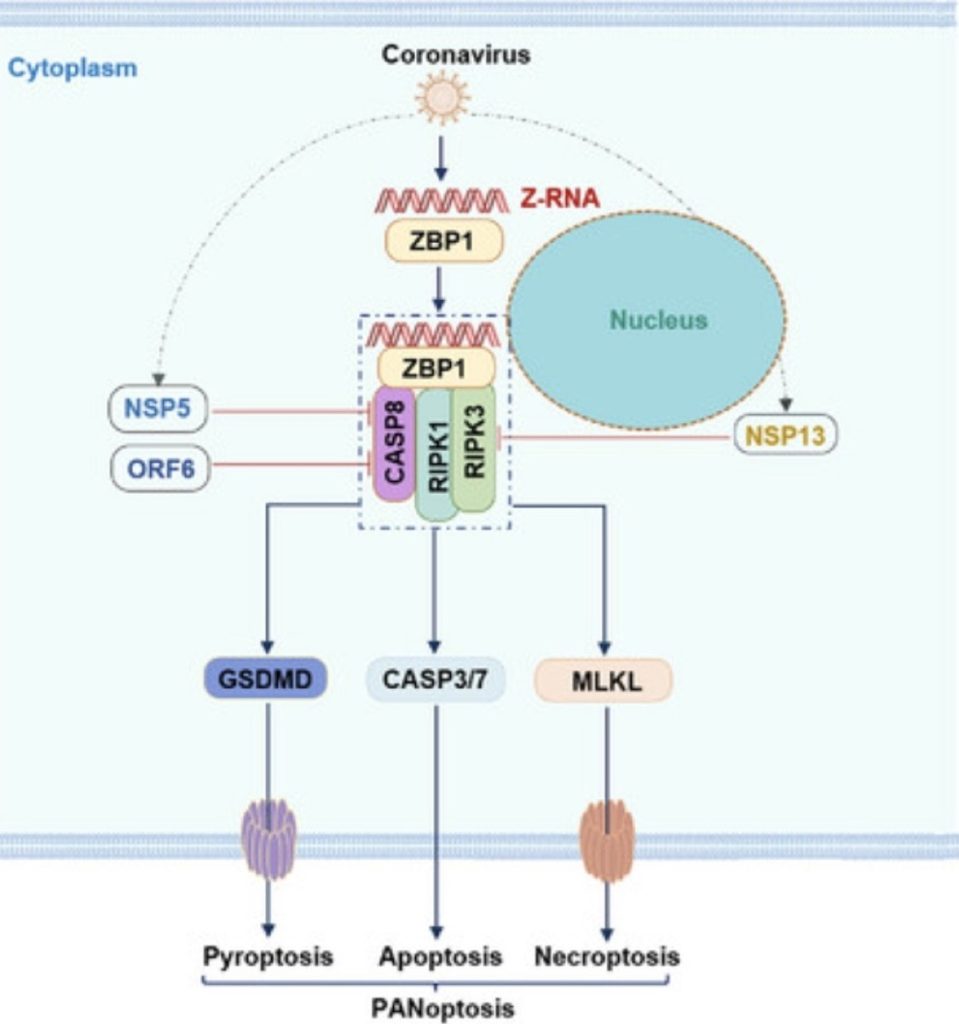
New research reveals that SARS-CoV-2, the virus behind COVID-19, uses a clever tactic to prolong the life of the cells it infects, allowing it more time to replicate and spread throughout the body. This manipulation not only increases viral load and disease severity, but also creates conditions that benefit other viruses, such as influenza. By […]

Artificial intelligence (AI) is playing a transformative role in the development and refinement of CRISPR genome editing technologies. By harnessing the power of machine learning and large-scale biological datasets, AI has significantly advanced the design of guide RNAs (gRNAs) for a wide range of CRISPR-based tools, including nucleases, base editors, and prime editors. These improvements […]

The third death linked to Sarepta’s gene therapy programs—following two fatalities in Elevidys-treated DMD patients and one in an investigational LGMD trial—has triggered heightened regulatory action and intensified industry scrutiny. The FDA has halted related trials, revoked platform designation, and is pressing Sarepta to pause Elevidys distribution. Acute liver failure remains the central safety concern, […]

Viruses have traditionally been used in the development of viral vaccines. In recent years, recombinant viral vectors have become widely adopted as gene delivery carriers in the development of chimeric antigen receptor (CAR) T cells, other genetically modified cell therapies, and gene therapy applications—owing to their ability to efficiently deliver genetic material into target cells. […]

The biofuel industry is undergoing a revolution fueled by enzyme innovations. Novel enzymes with enhanced

Agricultural scientists are harnessing the power of enzymes to develop sustainable farming practices
