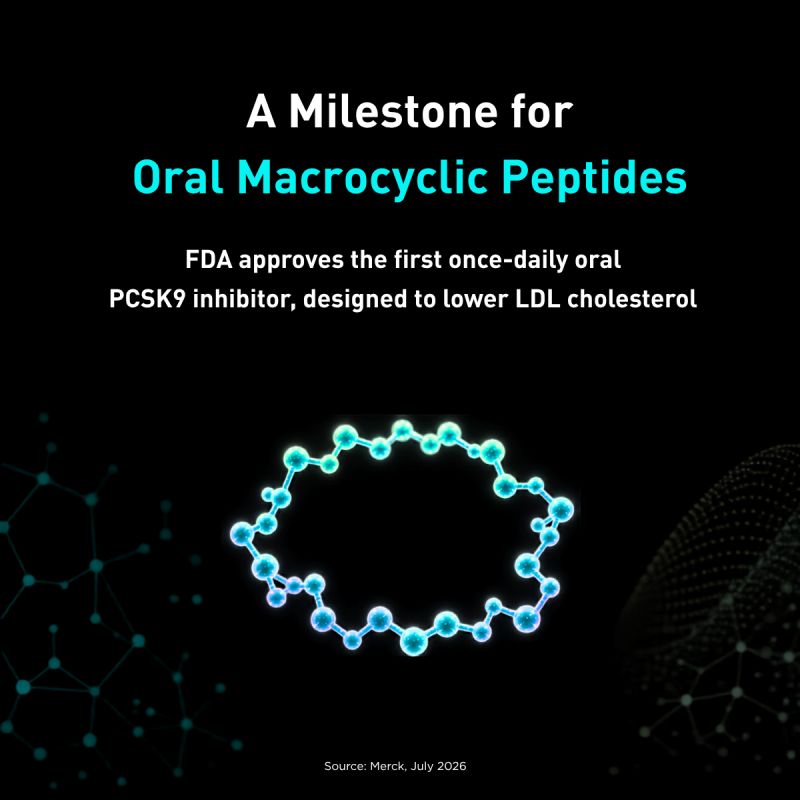
A major milestone for peptide therapeutics: the FDA has approved LIPFENDRA® (enlicitide), the first and only once-daily oral PCSK9 inhibitor for lowering LDL cholesterol in adults with hypercholesterolemia. Merck and others are leading this exciting trend in macrocyclic peptides. This approval represents more than a new cholesterol therapy—it is an important milestone for the entire […]

In response to LinkedIn News editor Tanya Dua’s invitation to share perspectives on the debate around “open” versus “restricted” AI models, I would like to offer my personal viewpoint. The discussion around Anthropic’s position — as the only major AI company that has not signed the industry letter urging Washington not to restrict open-weight AI […]

More than 60,000 patients in the U.S. have already received CAR-T cell therapies, transforming treatment options for several blood cancers. However, the next major opportunity for this technology may extend far beyond oncology. As highlighted by Carl June, the same principles that allow engineered T cells to recognize and eliminate cancer cells may also be […]

Johnson & Johnson is making a renewed push into in vivo CAR-T therapy, a field that could transform how patients receive CAR-T treatments. Traditional CAR-T therapy requires: Collecting a patient’s T cells, Engineering them in a manufacturing facility, Expanding the cells, Returning them to the patient. While highly effective, this process is complex, expensive, and […]
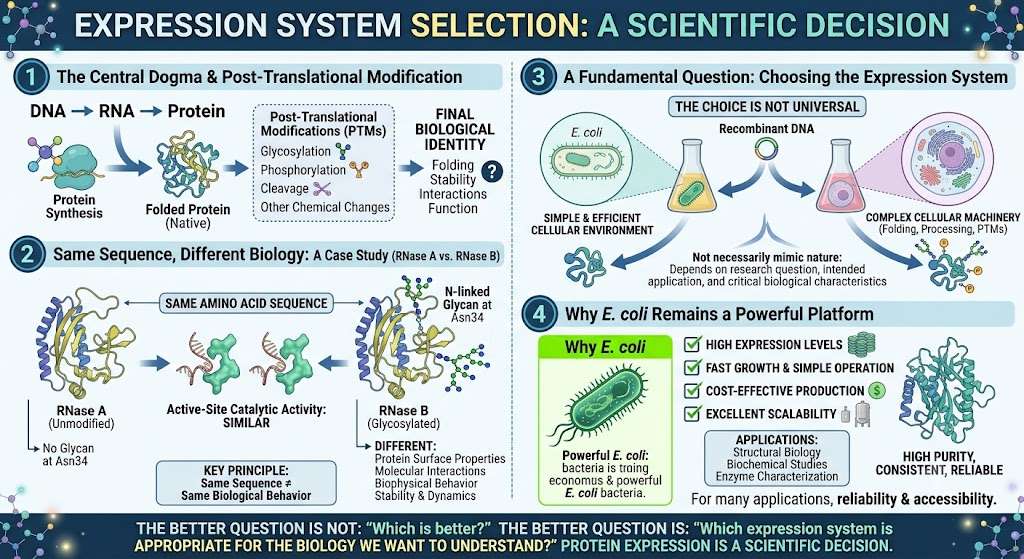
The central dogma of molecular biology teaches us that biological information flows from DNA → RNA → protein. After translation, proteins undergo a variety of post-translational modifications, including glycosylation, phosphorylation, and other chemical changes that shape their final biological identity. These modifications can profoundly influence protein folding, stability, molecular interactions, receptor recognition, and ultimately biological […]

The remarkable success of mRNA vaccines during the COVID-19 pandemic demonstrated the power of this technology to respond rapidly to global health challenges. Beyond infectious diseases, this platform is now driving one of the most exciting advances in modern medicine: personalized cancer immunotherapy. For decades, the concept of a “cancer vaccine” was considered an ambitious […]

CAR-T therapy has achieved a major breakthrough by overcoming one of its biggest barriers: the first approval of a CAR-T therapy for the treatment of a solid tumor. CARsgen’s satricabtagene autoleucel (satri-cel, CT041) has been approved for CLDN18.2-positive, HER2-negative gastric and gastroesophageal junction adenocarcinoma—a landmark achievement after decades of struggle to apply CAR-T beyond hematologic […]

3D cell culture aims to mimic the physiological environments found in nature by allowing cells to grow and organize into more tissue-like structures, including spheroids, organoids, and scaffold-based systems. These advanced models provide more biologically relevant conditions for research, such as studying disease mechanisms, evaluating therapeutic responses, and developing personalized medicine approaches. In recent years, […]

CAR-T and TCR-T cell therapies are both adoptive T-cell immunotherapies that utilize a patient’s T cells engineered as cancer killers, but they differ fundamentally in their mechanisms of antigen recognition. CAR-T cells recognize intact cell surface antigens through an engineered chimeric antigen receptor, limiting their targets to extracellular or membrane-associated proteins. In contrast, TCR-T cells […]
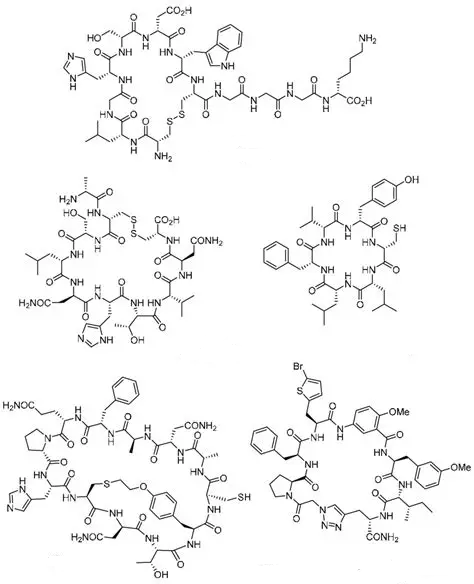
A New Frontier in Precision Therapeutics Drug discovery has traditionally been divided into two major categories: small molecules and biomacromolecules. Small molecules offer advantages such as oral availability and tissue penetration, but many disease-related targets—especially protein-protein interactions—remain difficult to modulate. Biomacromolecules such as antibodies provide exceptional specificity but are large, expensive to manufacture, and generally […]
