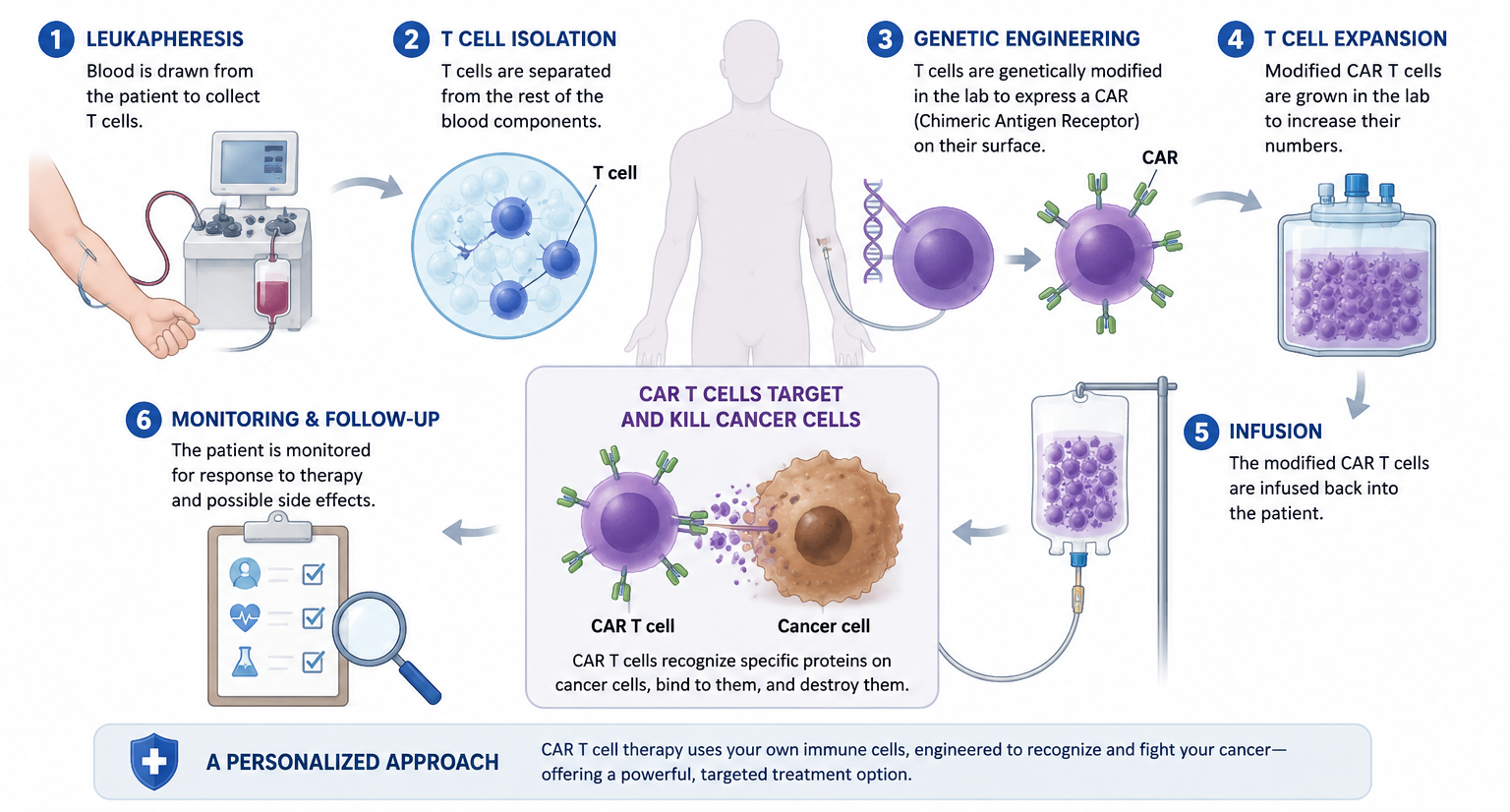
Chimeric antigen receptor T-cell (CAR-T) therapy is a personalized form of cancer immunotherapy that uses a patient’s own T cells to recognize and destroy cancer cells. It has demonstrated remarkable success in treating several hematologic malignancies, including leukemia, lymphoma, and multiple myeloma.
The therapy begins with the collection of T cells from the patient’s blood by leukapheresis. These cells are genetically engineered to express chimeric antigen receptors (CARs), expanded in the laboratory, and then infused back into the patient. CAR-T cells specifically recognize tumor-associated antigens, activate immune responses, and eliminate cancer cells. Their ability to persist and proliferate in the body can provide durable antitumor activity.
Several CAR-T products targeting CD19 or BCMA have been approved for the treatment of B-cell malignancies and multiple myeloma, establishing CAR-T therapy as a major advance in precision cancer immunotherapy.
SHARE
Related Post
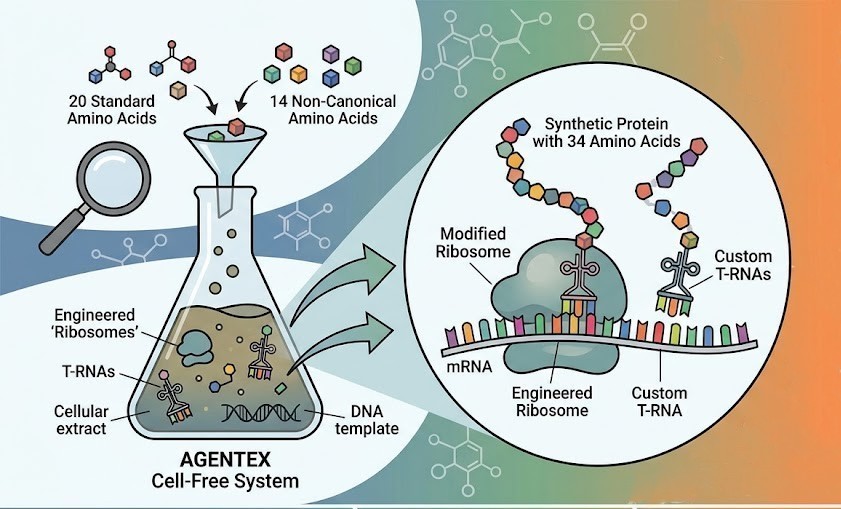
AGENTEX: A New Synthetic Biology Platform Expanding the Possibilities of Protein Engineering
Researchers in Professor George Church’s laboratory at Harvard Medical School, in collaboration...