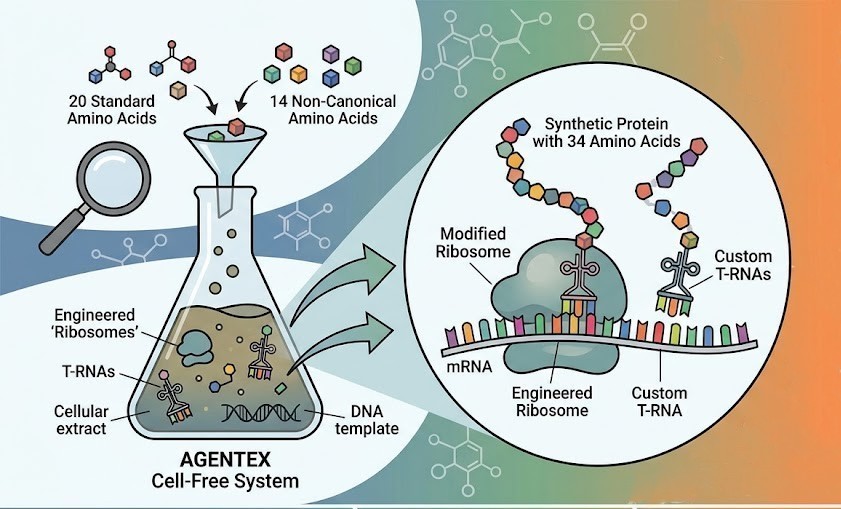
Researchers in Professor George Church’s laboratory at Harvard Medical School, in collaboration with the Wyss Institute for Biologically Inspired Engineering, have developed a new approach to protein engineering that could overcome the limitations of traditional genome recoding. Published in Nature, AGENTEX enables researchers to design and synthesize proteins using up to 34 amino acids, rather […]
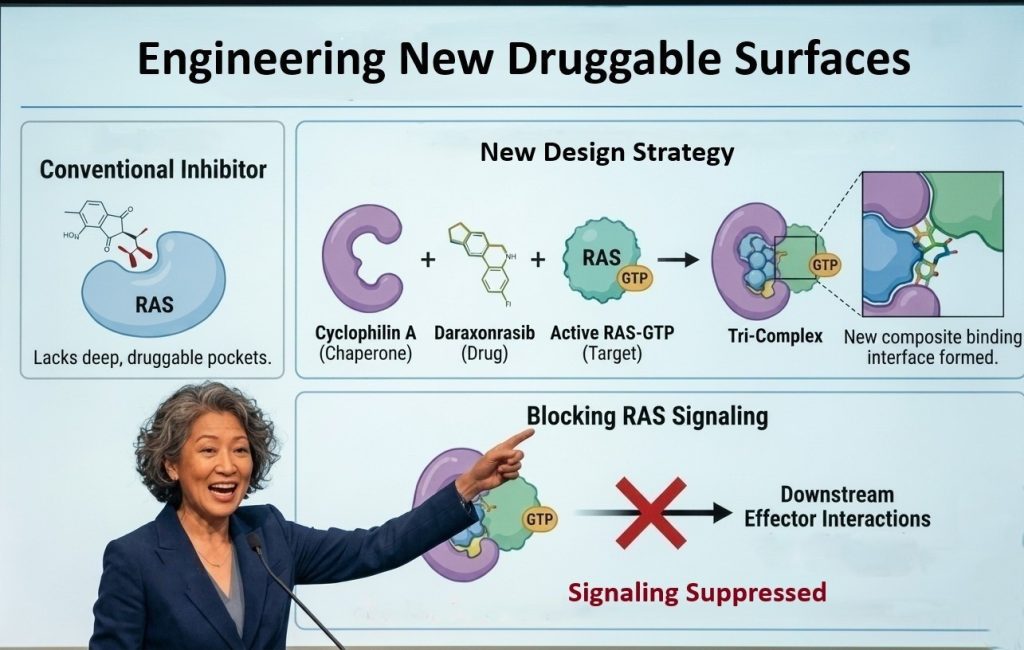
On August 26, 2026, the FDA approved Rasonque (daraxonrasib) for adults with metastatic pancreatic adenocarcinoma—a landmark development for targeting the RAS signaling pathway. On August 26, 2026, the FDA approved Rasonque (daraxonrasib) for adults with metastatic pancreatic adenocarcinoma—a landmark development for targeting the RAS signaling pathway. Clinical results showed an unprecedented ~2× improvement in overall […]
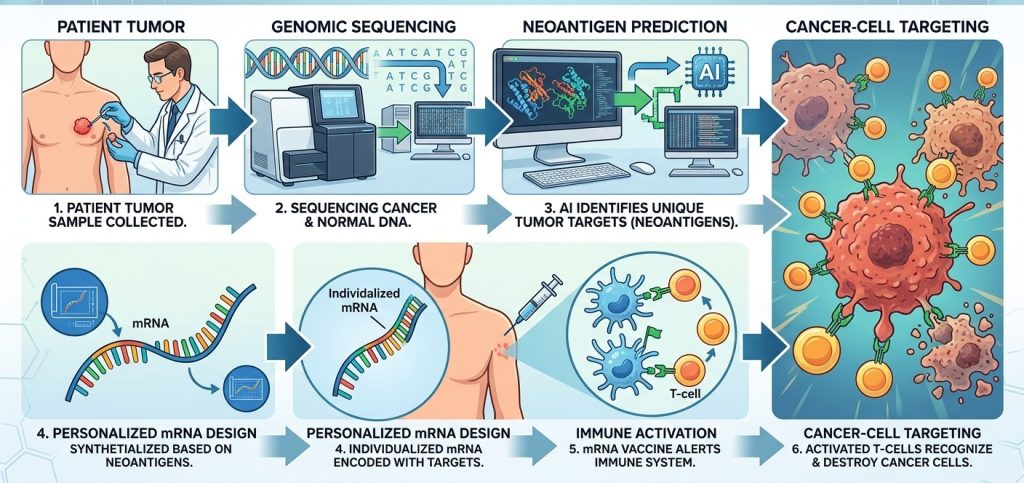
After mRNA vaccines achieved remarkable success during the COVID-19 pandemic a few years ago, cancer vaccines have continued to attract attention as a promising approach to cancer immunotherapy. Yesterday, Merck and Moderna announced positive Phase 3 results for their personalized mRNA cancer vaccine approach in patients with high-risk melanoma. This is an important milestone for […]

For decades, recombinant protein production has followed a well-established workflow: grow a microorganism, introduce a DNA construct, express the protein, harvest the cells, and purify the product. This approach remains one of the most powerful methods for recombinant protein production. However, living cells are complex systems, and many factors can affect protein production. Cell growth, […]
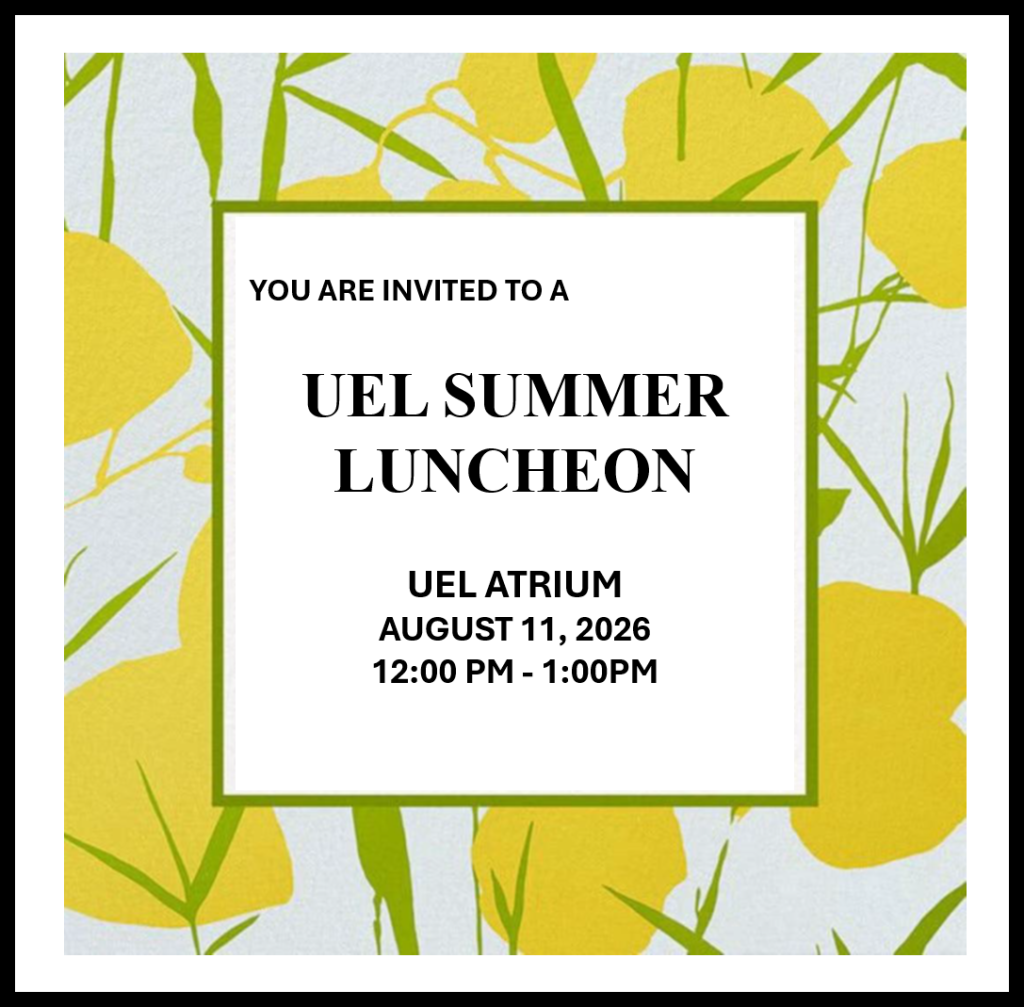
I’m grateful to receive a luncheon invitation from University Enterprise Laboratories (UEL) today. This is a wonderful opportunity to connect with colleagues, fellow entrepreneurs, and innovators within the building. UEL has built a unique life science ecosystem where more than 50 science-driven companies are working alongside researchers, entrepreneurs, and the University of Minnesota community to […]
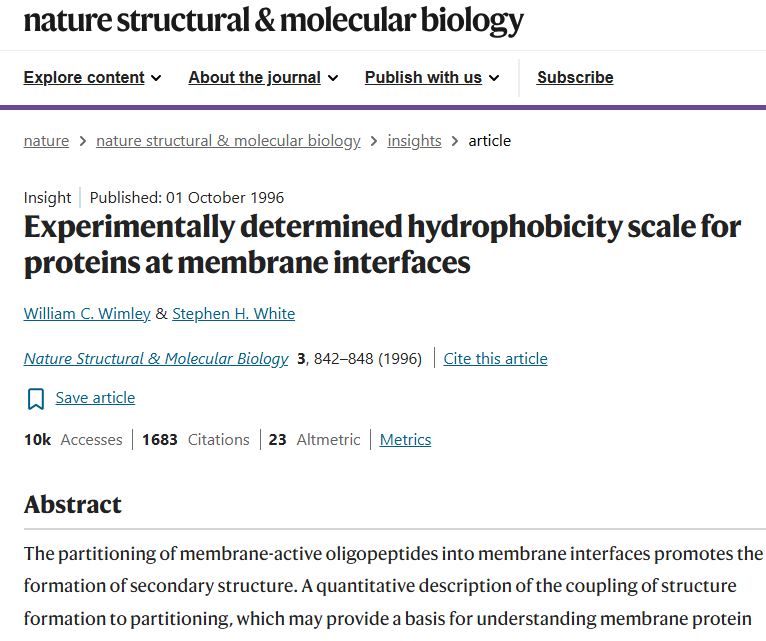
Stephen White’s passing is a great loss to the scientific community. His contributions to protein science are truly tremendous. Among his many influential works, the paper “Experimentally Determined Hydrophobicity Scale for Proteins at Membrane Interfaces” is especially notable and remains an important contribution to our understanding of protein behavior. Protein surface properties, including the balance […]
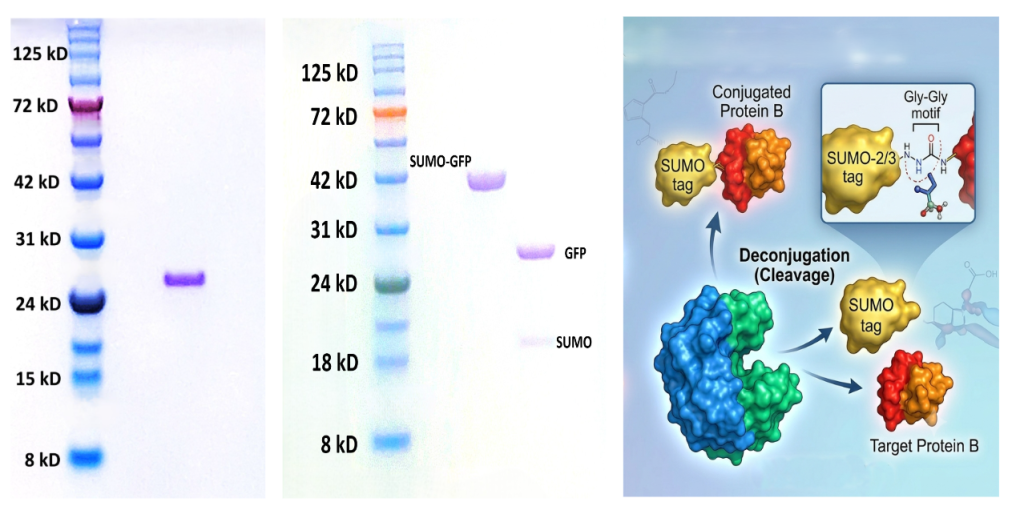
A Reliable Tool for Structural Biology & Protein Engineering MinneBio SUMO Protease is a highly specific recombinant Ulp1 (Ubiquitin-like-specific protease 1) derived from Saccharomyces cerevisiae. The enzyme efficiently removes SUMO fusion tags from recombinant proteins by recognizing the native three-dimensional structure of the SUMO domain rather than a short linear peptide sequence. This unique recognition […]
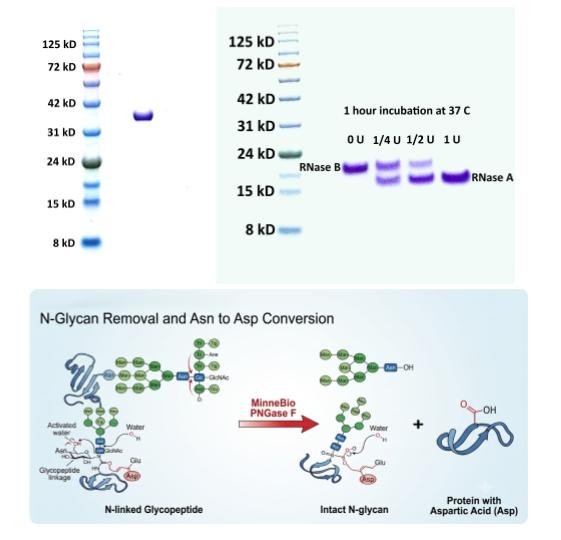
A Reliable Tool for Structural Biology & Protein Engineering MinneBio has expanded its portfolio of high-purity bioprocessing tools with the launch of MinneBio PNGase F (Peptide-N-Glycosidase F), a highly active recombinant enzyme engineered for efficient, broad-spectrum removal of N-linked glycans. Designed for exceptional specificity, MinneBio PNGase F hydrolyzes the amide bond between the innermost N-acetylglucosamine […]
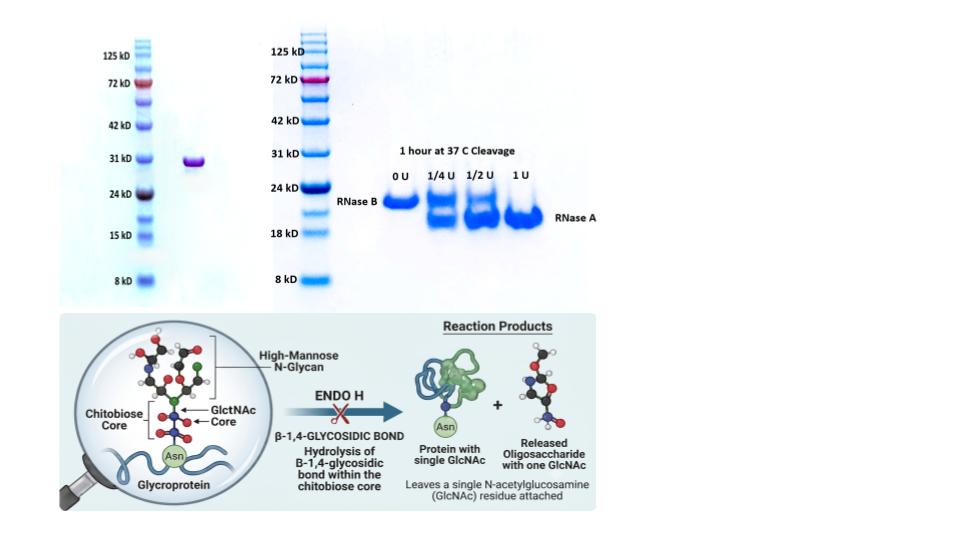
A Reliable Tool for Structural Biology & Protein Engineering MinneBio Endoglycosidase H (Endo H) is a highly active recombinant glycosidase designed for precise removal of high-mannose/hybrid N-linked glycans from glycoproteins. By specifically cleaving the chitobiose core of susceptible N-glycans while leaving a single GlcNAc residue attached to the protein, Endo H enables detailed analysis of […]
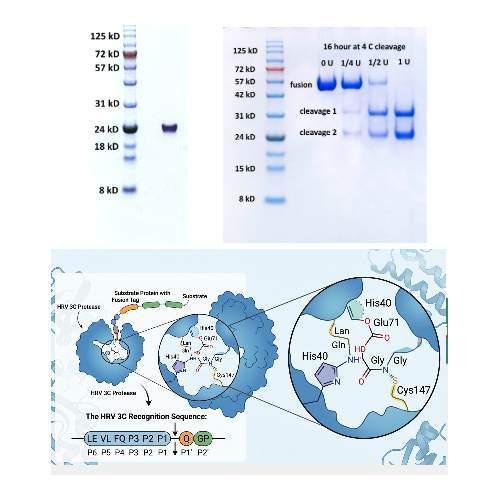
A Reliable Tool for Structural Biology & Protein Engineering Efficient removal of fusion tags is an essential step in producing high-quality recombinant proteins for structural and functional studies. MinneBio His₆-Tagged HRV 3C Protease provides highly specific cleavage of engineered protein constructs by recognizing the LEVLFQ↓GP sequence, enabling clean and controlled tag removal while preserving […]
