Johnson & Johnson is making a renewed push into in vivo CAR-T therapy, a field that could transform how patients receive CAR-T treatments.
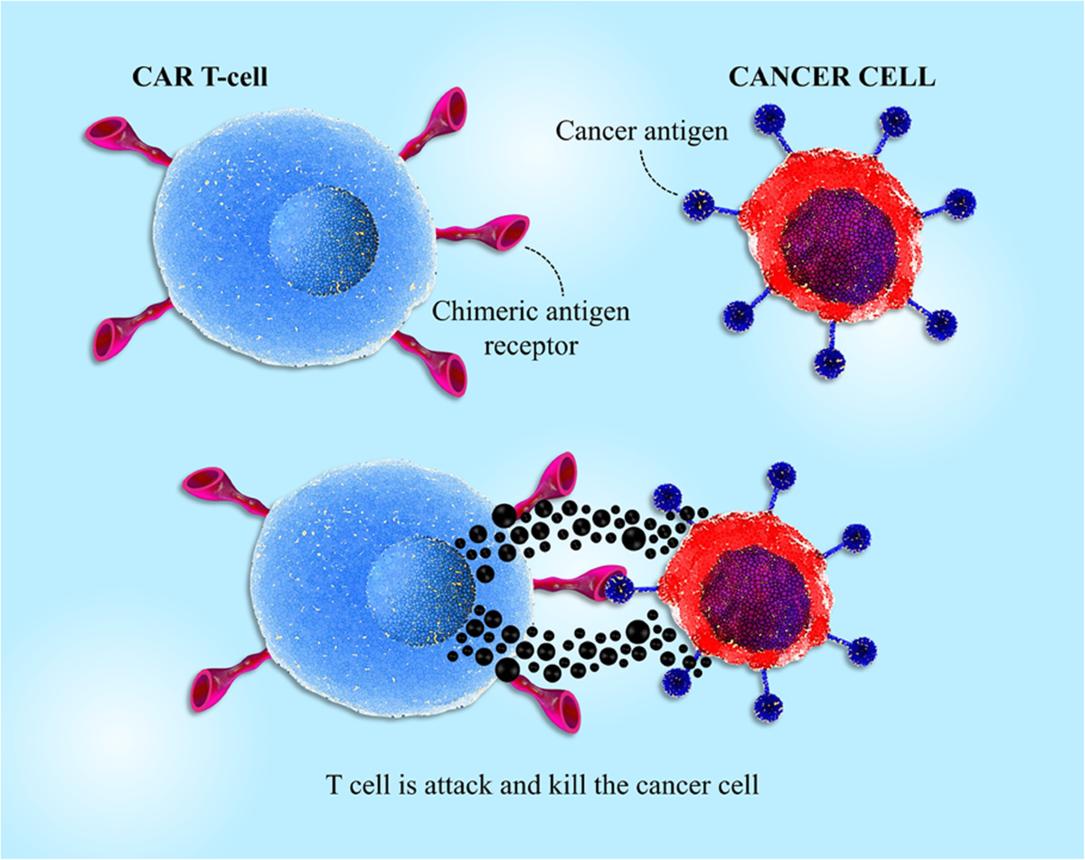
Traditional CAR-T therapy requires:
- Collecting a patient’s T cells,
- Engineering them in a manufacturing facility,
- Expanding the cells,
- Returning them to the patient.
While highly effective, this process is complex, expensive, and time-consuming. In vivo CAR-T aims to generate therapeutic CAR-T cells directly inside the patient’s body, potentially making treatment faster, more scalable, and accessible to more patients.
J&J previously entered this space through a 2025 partnership with Kelonia Therapeutics using targeted lentiviral delivery technology. That program ended after Eli Lilly acquired Kelonia in 2026. J&J is now pursuing a different strategy through a partnership with Sail Biomedicines, focusing on targeted lipid nanoparticles (tLNPs) and circular RNA technology.
Sail’s platform combines several technologies:
- Targeted lipid nanoparticles (tLNPs): Designed to deliver genetic material specifically to T cells outside the liver, improving targeting and reducing unwanted exposure.
- Endless RNA™ (eRNA™): A circular RNA platform designed to provide more stable and longer-lasting protein expression compared with conventional linear mRNA.
- AI-guided RNA optimization: Machine learning approaches are used to optimize RNA elements involved in expression and regulation.
The platform aims to address several key challenges in in vivo CAR-T development:
✅ Efficient delivery to both CD4⁺ and CD8⁺ T cells
✅ Strong CAR expression with controlled duration
✅ Reduced manufacturing complexity
✅ Potential for improved scalability and repeat dosing
In preclinical studies, Sail reported that its platform generated functional anti-CD19 CAR-T cells capable of achieving strong B-cell depletion at low doses.
The next few years will be critical for determining whether non-viral approaches such as targeted LNPs and circular RNA can match or exceed viral-vector approaches in terms of efficacy, safety, and durability.
For patients, the promise is significant: a future where CAR-T therapy could become an “off-the-shelf” or even a single-injection treatment rather than a personalized manufacturing process.
This is also an important signal for the broader biotech industry: the next generation of cell therapy may increasingly depend on the combination of AI-designed genetic payloads, advanced delivery systems, and precise cellular engineering.