From Cancer to Autoimmune Disease: The Next Era of CAR-T Therapy
More than 60,000 patients in the U.S. have already received CAR-T cell therapies, transforming treatment options for several blood cancers. However, the next major opportunity for this technology may extend far beyond oncology.
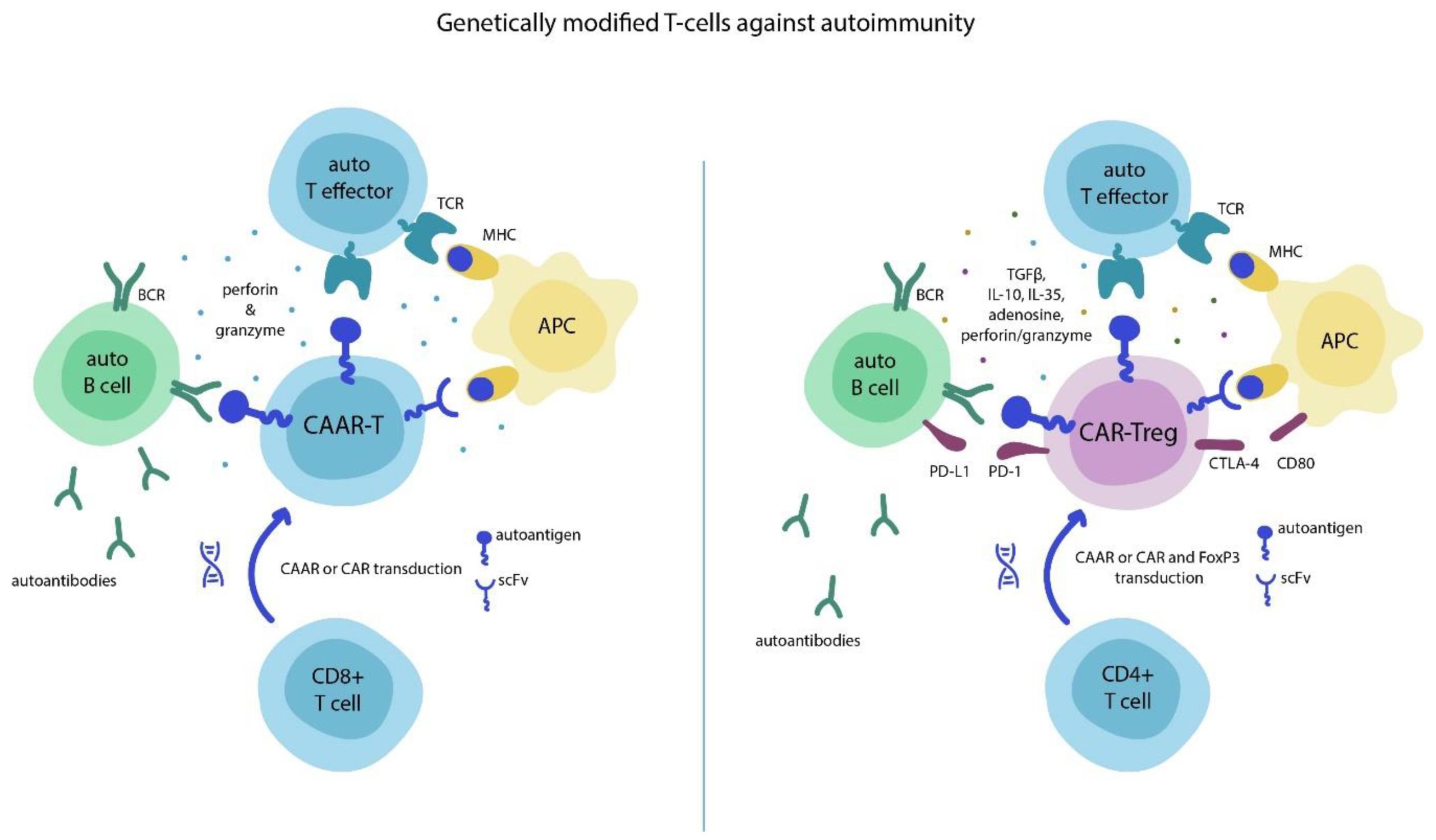
As highlighted by Carl June, the same principles that allow engineered T cells to recognize and eliminate cancer cells may also be applied to reset the immune system in autoimmune diseases.
Potential applications include:
Systemic lupus erythematosus (SLE)
Rheumatoid arthritis
Multiple sclerosis
Other antibody-driven autoimmune disorders
The concept is different from cancer CAR-T. Instead of destroying malignant cells, engineered immune cells could be designed to:
✅ Eliminate pathogenic immune cells ✅ Remove autoreactive B cells producing harmful antibodies ✅ Reprogram immune responses toward tolerance ✅ Provide deeper and longer-lasting disease control
One particularly exciting area is the use of CD19 CAR-T cells to eliminate B cells in severe autoimmune diseases. Early clinical observations suggest that a temporary immune “reset” may lead to prolonged remission in some patients.
The broader implication is profound:
CAR-T is no longer just a cancer therapy—it is becoming a programmable immune-engineering platform.
The future may include:
Cancer → engineered immune cell killing
Autoimmune disease → immune system reset
Infectious disease → targeted immune defense
Regenerative medicine → cellular reprogramming
The evolution of CAR-T also highlights the importance of advances in:
Synthetic biology
Gene delivery
Cell engineering
Protein design
AI-guided therapeutic development
The next decade may determine whether engineered immune cells become a general platform for treating complex diseases—not only cancers.
SHARE
Related Post
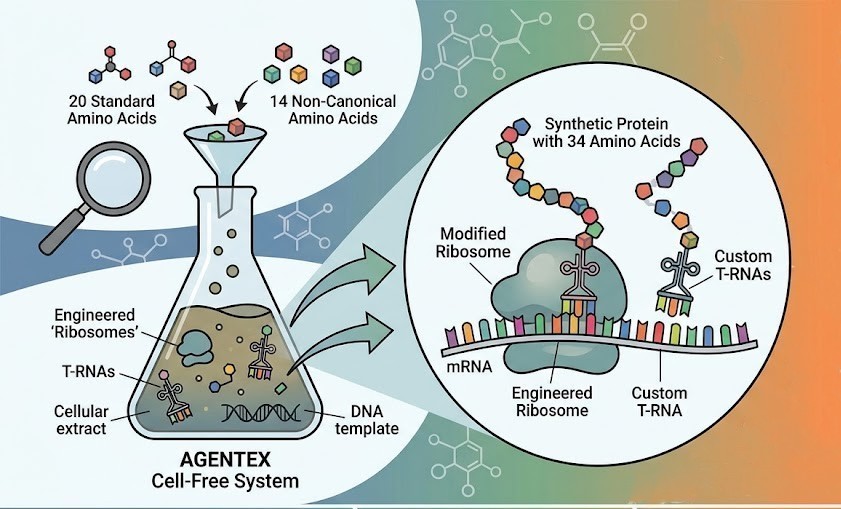
AGENTEX: A New Synthetic Biology Platform Expanding the Possibilities of Protein Engineering
Researchers in Professor George Church’s laboratory at Harvard Medical School, in collaboration...