Engineering T Cells for Cancer Therapy: CAR-T vs TCR-T
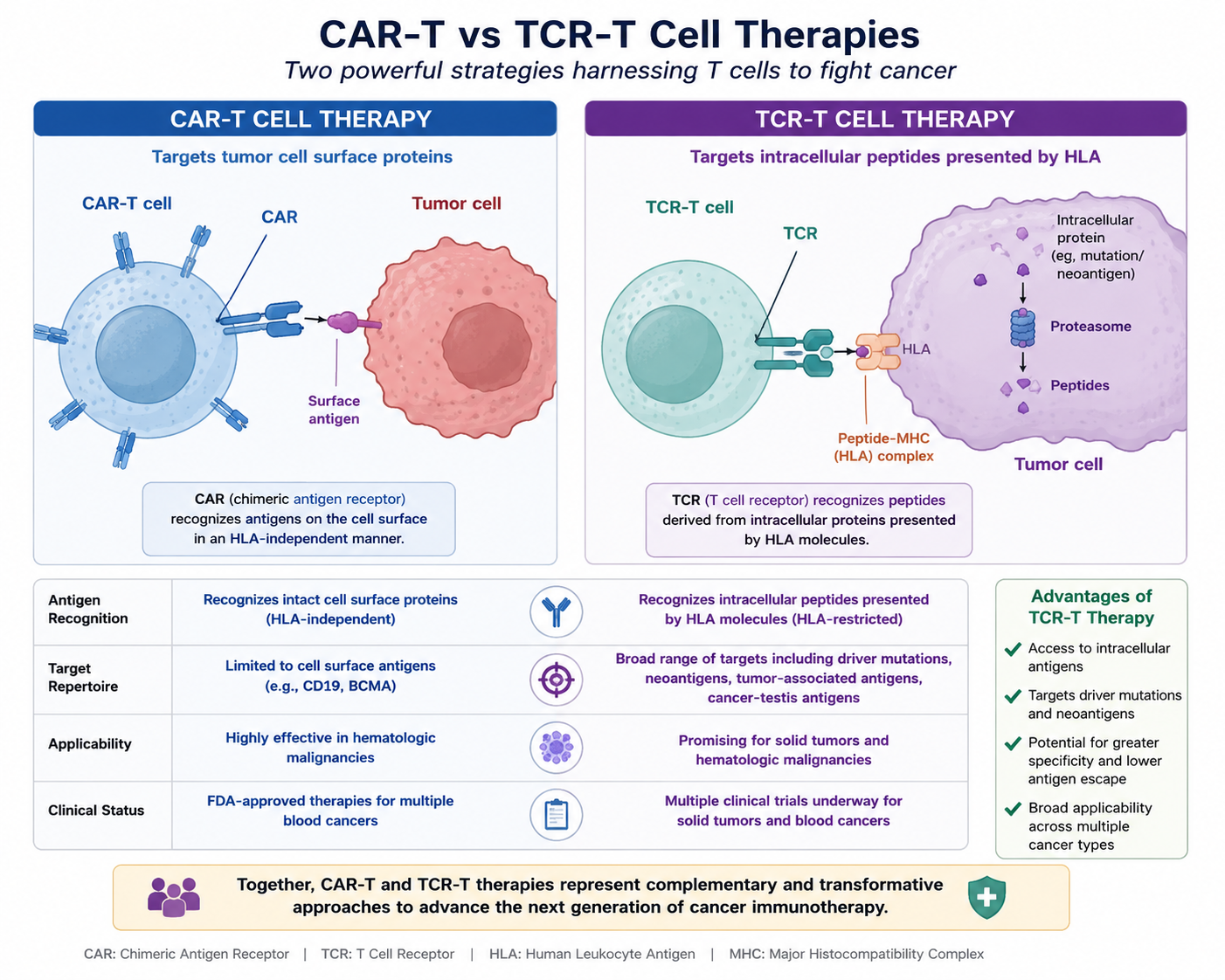
CAR-T and TCR-T cell therapies are both adoptive T-cell immunotherapies that utilize a patient’s T cells engineered as cancer killers, but they differ fundamentally in their mechanisms of antigen recognition. CAR-T cells recognize intact cell surface antigens through an engineered chimeric antigen receptor, limiting their targets to extracellular or membrane-associated proteins. In contrast, TCR-T cells express engineered T-cell receptors that recognize intracellular tumor-derived peptide antigens presented by human leukocyte antigen (HLA) molecules. This HLA-restricted recognition substantially expands the repertoire of targetable antigens to include intracellular oncoproteins, tumor-associated antigens, cancer-testis antigens, driver mutations, and patient-specific neoantigens that are inaccessible to CAR-T therapy. TCR-T therapy has emerged as a promising strategy for the treatment of solid tumors, with clinical trials currently underway.
SHARE
Related Post
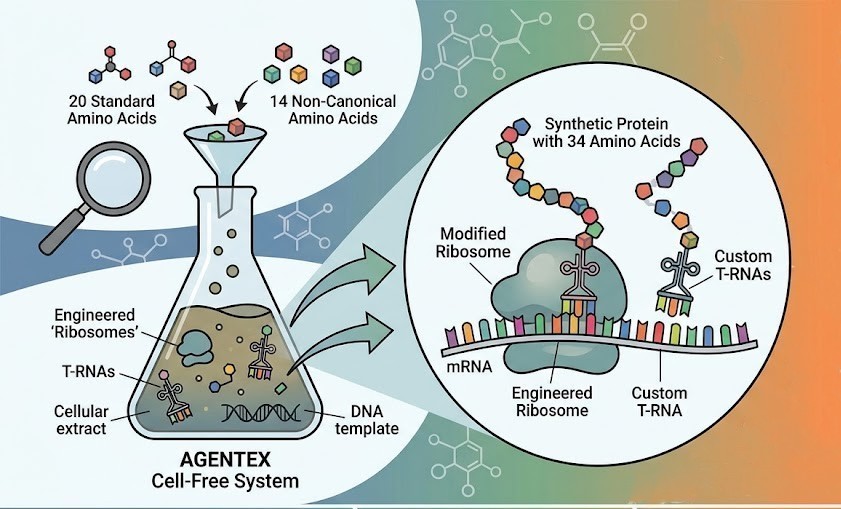
AGENTEX: A New Synthetic Biology Platform Expanding the Possibilities of Protein Engineering
Researchers in Professor George Church’s laboratory at Harvard Medical School, in collaboration...