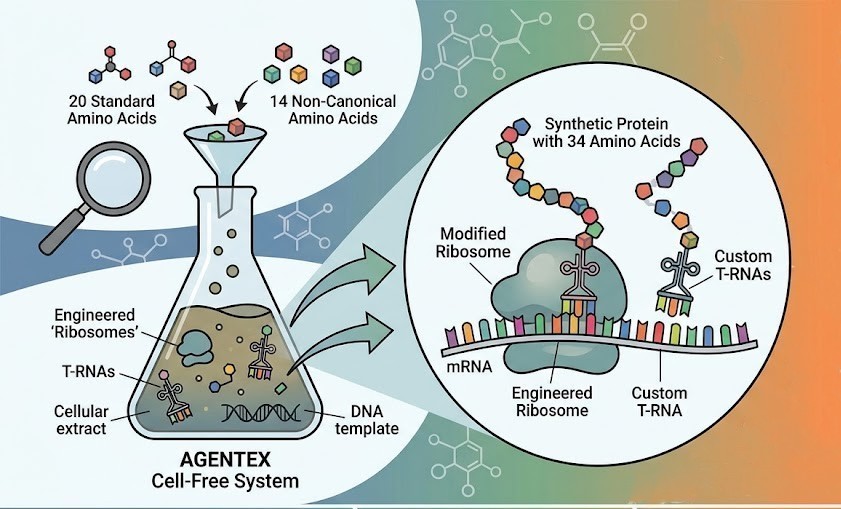
Drug discovery has traditionally been divided into two major categories: small molecules and biomacromolecules. Small molecules offer advantages such as oral availability and tissue penetration, but many disease-related targets—especially protein-protein interactions—remain difficult to modulate. Biomacromolecules such as antibodies provide exceptional specificity but are large, expensive to manufacture, and generally limited to extracellular targets.
Macrocyclic peptides are emerging as a powerful middle ground, combining the specificity of biologics with the potential advantages of small molecules.
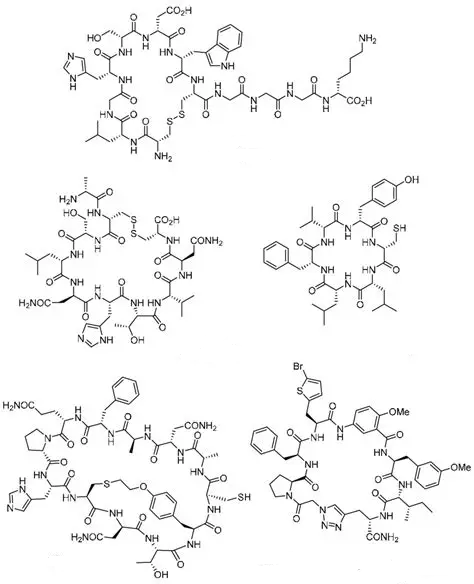
Macrocyclic peptides are peptides engineered into stable Cyclic structures through chemical or biological cyclization.
Unlike flexible linear peptides, macrocycles maintain a constrained three-dimensional structure that can improve:
This unique architecture allows macrocyclic peptides to recognize complex biological targets that are challenging for conventional drugs.
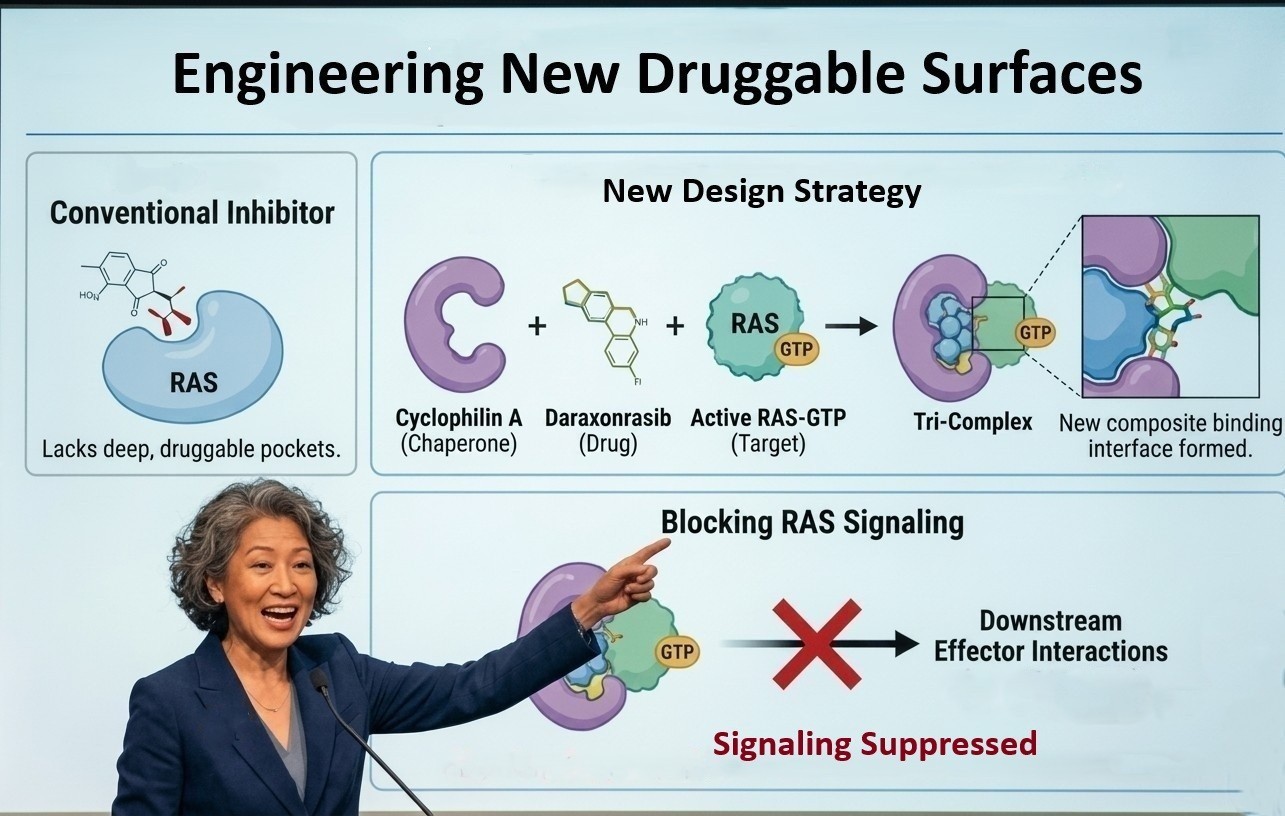
Many important disease targets involve large, flat interaction surfaces.
Examples include:
Traditional small molecules often cannot achieve sufficient binding, while antibodies cannot enter cells efficiently.
Macrocyclic peptides offer a new strategy:
Large enough to recognize complex protein surfaces, yet small enough to explore new therapeutic possibilities.
Macrocyclic peptides are being developed to target:
Their ability to bind challenging targets opens opportunities for new anti-cancer therapies.
The immune system relies on precise molecular interactions.
Macrocyclic peptides may serve as:
This aligns with the broader trend toward precision immunology—moving from broad immune suppression toward targeted immune reprogramming.
Macrocycles can function as highly selective inhibitors for:
Their ability to occupy unique binding pockets provides opportunities beyond conventional drug design.
The combination of artificial intelligence and protein engineering is transforming macrocyclic peptide development.
Modern computational approaches can help researchers:
Technologies such as protein structure prediction, generative AI, and computational protein design are moving the field from discovery by chance toward design by intention.
The future of therapeutics will likely involve a combination of:
Macrocyclic peptides represent an exciting example of how engineering principles can create new classes of medicines.
As our understanding of protein structures and biological networks continues to improve, these programmable molecules may become important tools for treating diseases that have remained difficult to address.
SHARE