Chimeric Antigen Receptor Macrophages (CAR-Ms): A New Frontier in Cancer Immunotherapy
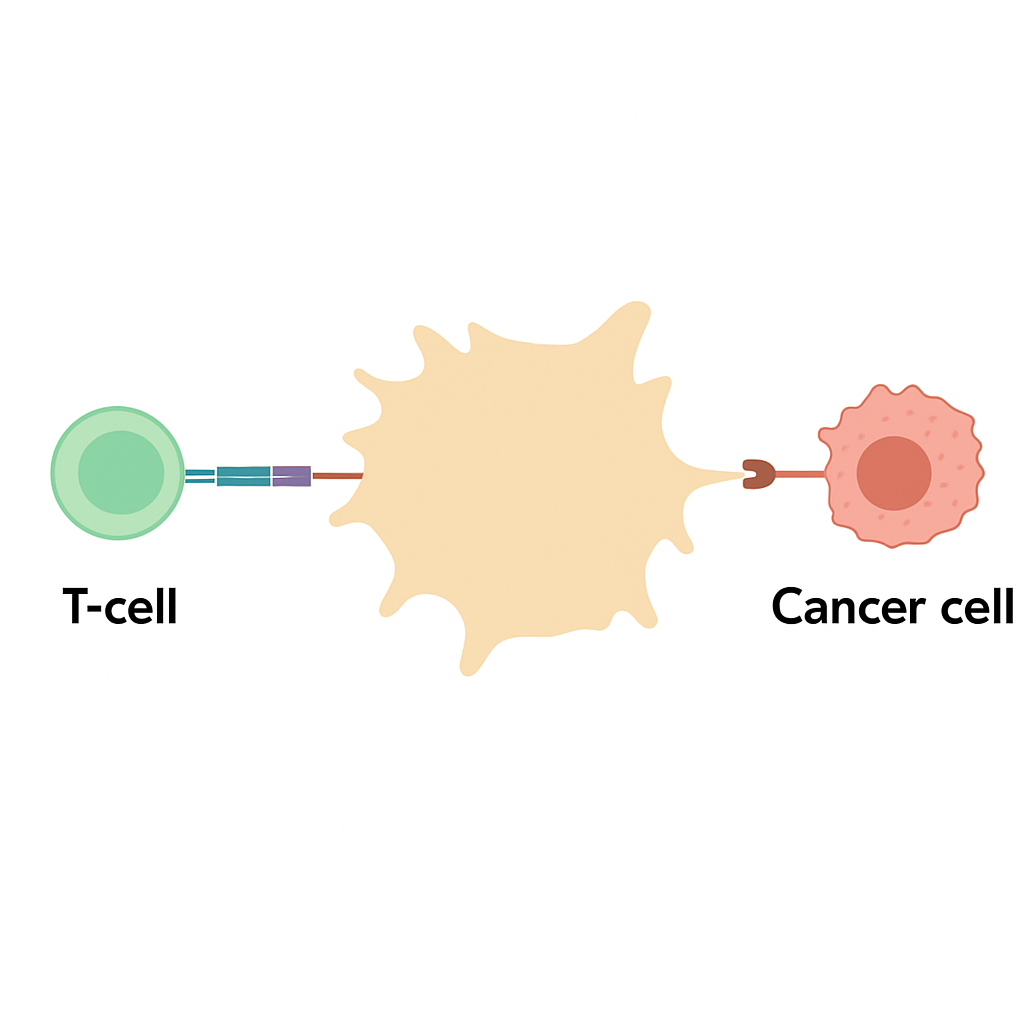
Macrophages, key players in the innate immune system, possess natural capabilities that make them uniquely suited for cancer immunotherapy. They can infiltrate solid tumors, remodel the tumor microenvironment, phagocytose cancer cells, and present tumor antigens to activate T cell responses. These intrinsic properties have inspired the development of Chimeric Antigen Receptor Macrophages (CAR-Ms)—an emerging class of engineered immune cells designed to overcome the limitations of existing CAR-T therapies.
Unlike T cells, macrophages can readily penetrate the dense stroma of solid tumors and exert multiple mechanisms of anti-tumor activity. CAR-Ms are engineered to express tumor-targeting receptors, enabling them to recognize and directly attack cancer cells while simultaneously shaping the immune landscape to favor anti-tumor immunity.
Recent studies on CAR-Ms have demonstrated their ability to:
Bypass immune evasion tactics employed by tumors
Sustain activity within the immunosuppressive tumor microenvironment
Induce long-term adaptive immune responses by presenting tumor antigens to T cells
Importantly, CAR-Ms address several challenges faced by CAR-T cell therapies, including poor efficacy in solid tumors, high manufacturing costs, and risks of severe cytokine release syndrome. As such, CAR-Ms offer a potentially safer, more effective, and scalable alternative for treating a wide range of cancers.
Ongoing research and clinical trials continue to optimize CAR-M design and function, positioning this technology as a promising next-generation immunotherapy poised to expand the reach of personalized cancer treatment.
SHARE
Related Post
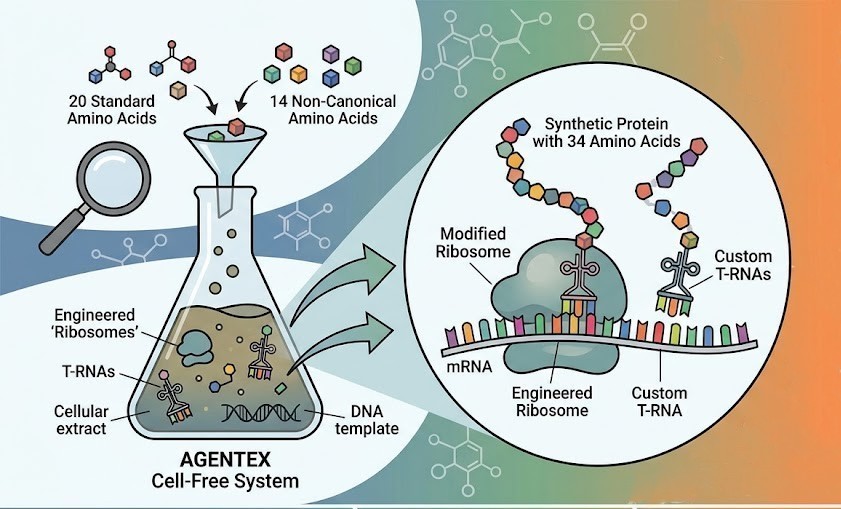
AGENTEX: A New Synthetic Biology Platform Expanding the Possibilities of Protein Engineering
Researchers in Professor George Church’s laboratory at Harvard Medical School, in collaboration...